Buy reyan.eu ?
We are moving the project
reyan.eu .
Are you interested in purchasing the domain
reyan.eu ?
domain@kv-gmbh.de · 0541-91531010
Buy reyan.eu ?
Is it "analog dem" or "analog zu dem"?
The correct phrase is "analog zu dem." "Analog zu dem" translates to "analogous to that" in English and is used to compare or draw similarities between two things. On the other hand, "analog dem" does not make grammatical sense in German. **
Does it say "auf dem Markt" or "an dem Markt"?
The correct phrase is "auf dem Markt." This is because "auf" is used to indicate location on a surface, and "Markt" is a location that can be considered a surface. Therefore, the preposition "auf" is used to show that something is located on the market. **


Similar search terms for Dem
Top-Angebote
Products related to Dem:
-
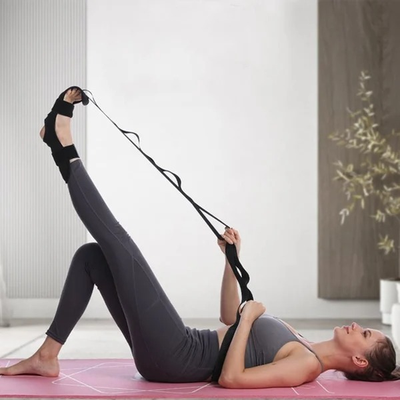
StayWell Fascia Stretcher For Muscle Pain Relief & Flexibility Ideal Fitness & Wellness Gift Fascia Stretcher For Muscle Pain Relief & Flexibility Ideal Fitness & Wellness GiftTransform Your Health with the Ultimate Fascia StretcherAre tight muscles holding you back from living an active, painfree life Persistent muscle tightness, especially in the lower back and legs, can lead to significant discomfort and limit your...26,97 $*Shipping: 0,00 $Secure redirect to the provider
-
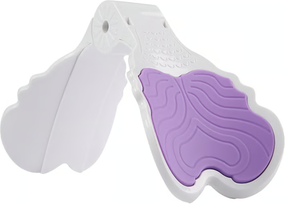
StayWell Pelvic Hip Trainer Strengthen Pelvic Muscles Perfect Fitness & Wellness Gift PurpleTransform Your Curves with the Ultimate Pelvic Hip TrainerEvery woman dreams of achieving fuller hips, a curvy back, firm buttocks, and toned inner thighs. With our Pelvic Hip Trainer, you can turn that dream into reality without the need for...34,97 $*Shipping: 0,00 $Secure redirect to the provider
-
Orion Strangeworlds Travel Agency: Adventure in the Floating Mountains by L.D. Lapinski – World Book Day AdventureIt is the once-every-century Cloud-Wish Festival in the magical world of Strofadia, and Flick and Jonathan have travelled via suitcase to be a part of it.Strofadia is a land of flight and fantasy, where the people are born with wings and the great floating mountains are seen as the source of fantastic power. There are three floating mountains, with the largest being known as the home of the great Cloud Dragon - keeper of magic and granter of wishes. The people of Strofadia take their magical wishes (in the form of a physical bead-like object) to the dragon, in the hopes that the wish will be granted at the end of the festival when the dragon appears.Flick and Jonathan have fun exploring Strofadia, but when the moons rise, there is no sign of movement from the mountain.Will Flick and Jonathan be able to find out what happened to the dragon and save the festival and the land of Strofadia from disaster?A 2023 World Book Day Title0,99 £*Shipping: 1,99 £Secure redirect to the provider


-
Why do we write "dem deutschen Volke" and not "dem deutschen Volk"?
The phrase "dem deutschen Volke" is written in the dative case, which is used to indicate the indirect object of a sentence. In this case, "Volke" is the dative form of the noun "Volk." The phrase is commonly seen on the Reichstag building in Berlin as a dedication to the German people. Using the dative case in this context emphasizes the idea of serving or belonging to the German people as a collective entity. **
-
What is correct: "wegen dem neuem Angebot für" or "wegen dem neuen Angebot für"?
The correct form is "wegen dem neuen Angebot für." In this case, "neuen" is the correct form of the adjective to match the masculine dative case of "dem." Therefore, the correct phrase is "wegen dem neuen Angebot für." **
-
Comma after 'in dem' or 'indem'?
In German, the word "indem" is a subordinating conjunction that introduces a dependent clause. When "indem" is used to mean "while" or "by," it is followed by a comma. For example, "Er lernt, indem er liest" (He learns by reading). However, when "indem" is used to mean "in that" or "because," it is not followed by a comma. For example, "Er ist erfolgreich, indem er hart arbeitet" (He is successful because he works hard). **
-
What does "ab dem 25." mean?
"Ab dem 25." means "from the 25th" in German. It indicates that something will start or be valid from the 25th of a certain month or year. For example, "ab dem 25. Mai" would mean "from the 25th of May." **


'Den or dem? Wen or wem?'
In German, "den" and "wen" are used as the accusative forms of the masculine and neuter definite articles, as well as for masculine and neuter direct objects. On the other hand, "dem" and "wem" are used as the dative forms of the masculine and neuter definite articles, as well as for masculine and neuter indirect objects. It's important to pay attention to the case and gender of the noun in order to use the correct form. **
Do you say "Ich bin vor dem Spiegel gestanden" or "Ich habe vor dem Spiegel gestanden"?
Both "Ich bin vor dem Spiegel gestanden" and "Ich habe vor dem Spiegel gestanden" are correct, but they have slightly different meanings. "Ich bin vor dem Spiegel gestanden" implies that you were standing in front of the mirror for a period of time, while "Ich habe vor dem Spiegel gestanden" simply states that you stood in front of the mirror at some point in the past. The choice between the two depends on the specific context and the emphasis you want to convey. **
Top-Angebote
Products related to Dem:
-
StayWell Fascia Stretcher For Muscle Pain Relief & Flexibility Ideal Fitness & Wellness Gift Fascia Stretcher For Muscle Pain Relief & Flexibility Ideal Fitness & Wellness GiftTransform Your Health with the Ultimate Fascia StretcherAre tight muscles holding you back from living an active, painfree life Persistent muscle tightness, especially in the lower back and legs, can lead to significant discomfort and limit your...26,97 $*Shipping: 0,00 $Secure redirect to the provider
-
Is it "analog dem" or "analog zu dem"?
The correct phrase is "analog zu dem." "Analog zu dem" translates to "analogous to that" in English and is used to compare or draw similarities between two things. On the other hand, "analog dem" does not make grammatical sense in German. **
-
Does it say "auf dem Markt" or "an dem Markt"?
The correct phrase is "auf dem Markt." This is because "auf" is used to indicate location on a surface, and "Markt" is a location that can be considered a surface. Therefore, the preposition "auf" is used to show that something is located on the market. **
-
Why do we write "dem deutschen Volke" and not "dem deutschen Volk"?
The phrase "dem deutschen Volke" is written in the dative case, which is used to indicate the indirect object of a sentence. In this case, "Volke" is the dative form of the noun "Volk." The phrase is commonly seen on the Reichstag building in Berlin as a dedication to the German people. Using the dative case in this context emphasizes the idea of serving or belonging to the German people as a collective entity. **
-
What is correct: "wegen dem neuem Angebot für" or "wegen dem neuen Angebot für"?
The correct form is "wegen dem neuen Angebot für." In this case, "neuen" is the correct form of the adjective to match the masculine dative case of "dem." Therefore, the correct phrase is "wegen dem neuen Angebot für." **
Similar search terms for Dem
-
StayWell Pelvic Hip Trainer Strengthen Pelvic Muscles Perfect Fitness & Wellness Gift PurpleTransform Your Curves with the Ultimate Pelvic Hip TrainerEvery woman dreams of achieving fuller hips, a curvy back, firm buttocks, and toned inner thighs. With our Pelvic Hip Trainer, you can turn that dream into reality without the need for...34,97 $*Shipping: 0,00 $Secure redirect to the provider
-
Orion Strangeworlds Travel Agency: Adventure in the Floating Mountains by L.D. Lapinski – World Book Day AdventureIt is the once-every-century Cloud-Wish Festival in the magical world of Strofadia, and Flick and Jonathan have travelled via suitcase to be a part of it.Strofadia is a land of flight and fantasy, where the people are born with wings and the great floating mountains are seen as the source of fantastic power. There are three floating mountains, with the largest being known as the home of the great Cloud Dragon - keeper of magic and granter of wishes. The people of Strofadia take their magical wishes (in the form of a physical bead-like object) to the dragon, in the hopes that the wish will be granted at the end of the festival when the dragon appears.Flick and Jonathan have fun exploring Strofadia, but when the moons rise, there is no sign of movement from the mountain.Will Flick and Jonathan be able to find out what happened to the dragon and save the festival and the land of Strofadia from disaster?A 2023 World Book Day Title0,99 £*Shipping: 1,99 £Secure redirect to the provider
-
Inspire Select 2025 AMOLED ECG Smart Watch Bluetooth Call NFC Fitness & Wellness Tracker redStay connected while tracking your daily wellness with this advanced ECG smart watch designed for fitness, health monitoring, and smart convenience. Featuring a premium AMOLED smartwatch display, Bluetooth calling, NFC support, and intelligent...279,98 $*Shipping: 0,00 $Secure redirect to the provider
-
Comma after 'in dem' or 'indem'?
In German, the word "indem" is a subordinating conjunction that introduces a dependent clause. When "indem" is used to mean "while" or "by," it is followed by a comma. For example, "Er lernt, indem er liest" (He learns by reading). However, when "indem" is used to mean "in that" or "because," it is not followed by a comma. For example, "Er ist erfolgreich, indem er hart arbeitet" (He is successful because he works hard). **
-
What does "ab dem 25." mean?
"Ab dem 25." means "from the 25th" in German. It indicates that something will start or be valid from the 25th of a certain month or year. For example, "ab dem 25. Mai" would mean "from the 25th of May." **
-
'Den or dem? Wen or wem?'
In German, "den" and "wen" are used as the accusative forms of the masculine and neuter definite articles, as well as for masculine and neuter direct objects. On the other hand, "dem" and "wem" are used as the dative forms of the masculine and neuter definite articles, as well as for masculine and neuter indirect objects. It's important to pay attention to the case and gender of the noun in order to use the correct form. **
-
Do you say "Ich bin vor dem Spiegel gestanden" or "Ich habe vor dem Spiegel gestanden"?
Both "Ich bin vor dem Spiegel gestanden" and "Ich habe vor dem Spiegel gestanden" are correct, but they have slightly different meanings. "Ich bin vor dem Spiegel gestanden" implies that you were standing in front of the mirror for a period of time, while "Ich habe vor dem Spiegel gestanden" simply states that you stood in front of the mirror at some point in the past. The choice between the two depends on the specific context and the emphasis you want to convey. **
* All prices are inclusive of VAT and, if applicable, plus shipping costs. The offer information is based on the details provided by the respective shop and is updated through automated processes. Real-time updates do not occur, so deviations can occur in individual cases. ** Note: Parts of this content were created by AI.