Buy reyan.eu ?
We are moving the project
reyan.eu .
Are you interested in purchasing the domain
reyan.eu ?
domain@kv-gmbh.de · 0541-91531010
Buy reyan.eu ?
Symbiosis or Parasitism?
Symbiosis refers to a mutually beneficial relationship between two different species, where both organisms benefit from the interaction. On the other hand, parasitism is a type of relationship where one organism benefits at the expense of the other, causing harm to the host organism. To determine whether a relationship is symbiotic or parasitic, it is important to consider the impact of the interaction on both species involved. **
Are synergy and symbiosis synonyms?
Synergy and symbiosis are not synonyms. Synergy refers to the interaction or cooperation of two or more elements to produce a combined effect greater than the sum of their separate effects. Symbiosis, on the other hand, is a mutually beneficial relationship between two different organisms. While both concepts involve interaction and cooperation, they differ in the nature of the relationship and the entities involved. **


Similar search terms for Symbiosis
Top-Angebote
Products related to Symbiosis:
-
StayWell Pelvic Hip Trainer Strengthen Pelvic Muscles Perfect Fitness & Wellness Gift PurpleTransform Your Curves with the Ultimate Pelvic Hip TrainerEvery woman dreams of achieving fuller hips, a curvy back, firm buttocks, and toned inner thighs. With our Pelvic Hip Trainer, you can turn that dream into reality without the need for...34,97 $*Shipping: 0,00 $Secure redirect to the provider
-
Sesderma Reti Age 5 Liposomal Serum Anti-Aging Innovation 30mLA facial serum for wrinkles and signs of ageing. Reduces wrinkles and fine lines. Hydrates and strengthens barrier. Restores youthful radiance. 5-Retinoid System: smooths wrinkles, accelerates renewal, and boosts collagen. Biomimetic Peptides: fill expression lines by stimulating collagen synthesis.41,69 £*Shipping: 5,34 £Secure redirect to the provider
-
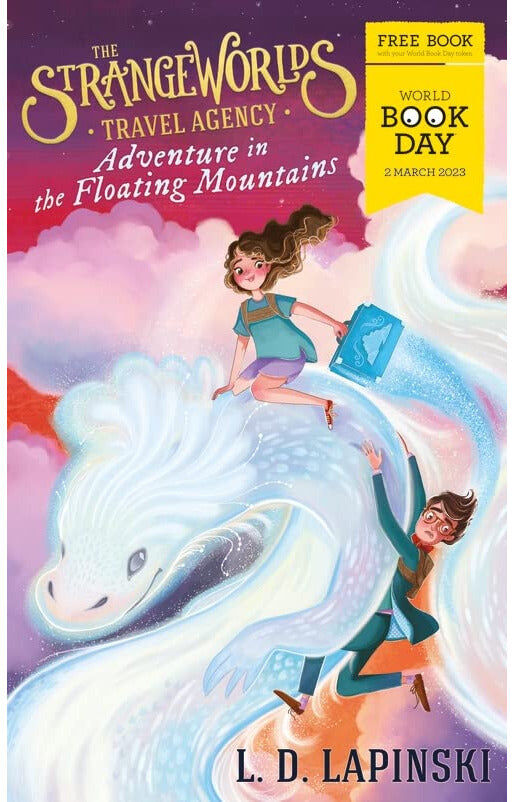
Orion Strangeworlds Travel Agency: Adventure in the Floating Mountains by L.D. Lapinski – World Book Day AdventureIt is the once-every-century Cloud-Wish Festival in the magical world of Strofadia, and Flick and Jonathan have travelled via suitcase to be a part of it.Strofadia is a land of flight and fantasy, where the people are born with wings and the great floating mountains are seen as the source of fantastic power. There are three floating mountains, with the largest being known as the home of the great Cloud Dragon - keeper of magic and granter of wishes. The people of Strofadia take their magical wishes (in the form of a physical bead-like object) to the dragon, in the hopes that the wish will be granted at the end of the festival when the dragon appears.Flick and Jonathan have fun exploring Strofadia, but when the moons rise, there is no sign of movement from the mountain.Will Flick and Jonathan be able to find out what happened to the dragon and save the festival and the land of Strofadia from disaster?A 2023 World Book Day Title0,99 £*Shipping: 1,99 £Secure redirect to the provider


-
What are examples of symbiosis?
Examples of symbiosis include mutualism, where both organisms benefit from the relationship, such as the relationship between bees and flowers. Another example is commensalism, where one organism benefits and the other is neither helped nor harmed, like the relationship between barnacles and whales. Parasitism is another form of symbiosis, where one organism benefits at the expense of the other, such as ticks feeding on the blood of mammals. **
-
What is a gfs symbiosis?
A gfs symbiosis is a mutually beneficial relationship between two or more organisms where one organism provides a necessary resource or service to the other in exchange for a different resource or service. This type of symbiosis is characterized by a close and long-term interaction between the organisms involved. The gfs symbiosis allows each organism to thrive and benefit from the partnership, ultimately leading to the success and survival of both parties. **
-
How would you explain symbiosis?
Symbiosis is a biological relationship between two different species that live in close proximity to each other. This relationship can be beneficial, harmful, or neutral for one or both of the species involved. There are three main types of symbiotic relationships: mutualism, where both species benefit; commensalism, where one species benefits and the other is unaffected; and parasitism, where one species benefits at the expense of the other. Symbiosis is a fundamental concept in ecology and is essential for understanding the interconnectedness of different organisms in an ecosystem. **
-
What is symbiosis in biology?
Symbiosis in biology refers to a close and long-term interaction between two different species. This interaction can be beneficial, harmful, or neutral for one or both of the species involved. There are three main types of symbiotic relationships: mutualism, where both species benefit; commensalism, where one species benefits and the other is unaffected; and parasitism, where one species benefits at the expense of the other. Symbiotic relationships are common in nature and can occur between a wide variety of organisms, including plants, animals, and microorganisms. **


What questions are there about symbiosis?
Some questions about symbiosis include: How do different species recognize and communicate with each other to establish a symbiotic relationship? What factors determine the success or failure of a symbiotic partnership? How do symbiotic relationships evolve over time, and what are the long-term effects on the species involved? Additionally, researchers may also explore the potential benefits and drawbacks of symbiosis in different ecosystems and how human activities impact symbiotic interactions. **
What are the consequences of symbiosis?
Symbiosis can have both positive and negative consequences. In mutualistic symbiosis, both organisms benefit from the relationship, such as in the case of pollination or the relationship between plants and mycorrhizal fungi. However, in parasitic symbiosis, one organism benefits at the expense of the other, leading to harm or even death of the host organism. Additionally, commensalistic symbiosis involves one organism benefiting while the other is unaffected. Overall, the consequences of symbiosis can range from mutualistic interactions that promote survival and reproduction to parasitic interactions that can be harmful or even deadly. **
Top-Angebote
Products related to Symbiosis:
-
StayWell Fascia Stretcher For Muscle Pain Relief & Flexibility Ideal Fitness & Wellness Gift Fascia Stretcher For Muscle Pain Relief & Flexibility Ideal Fitness & Wellness GiftTransform Your Health with the Ultimate Fascia StretcherAre tight muscles holding you back from living an active, painfree life Persistent muscle tightness, especially in the lower back and legs, can lead to significant discomfort and limit your...26,97 $*Shipping: 0,00 $Secure redirect to the provider
-
StayWell Pelvic Hip Trainer Strengthen Pelvic Muscles Perfect Fitness & Wellness Gift PurpleTransform Your Curves with the Ultimate Pelvic Hip TrainerEvery woman dreams of achieving fuller hips, a curvy back, firm buttocks, and toned inner thighs. With our Pelvic Hip Trainer, you can turn that dream into reality without the need for...34,97 $*Shipping: 0,00 $Secure redirect to the provider
-
Sesderma Reti Age 5 Liposomal Serum Anti-Aging Innovation 30mLA facial serum for wrinkles and signs of ageing. Reduces wrinkles and fine lines. Hydrates and strengthens barrier. Restores youthful radiance. 5-Retinoid System: smooths wrinkles, accelerates renewal, and boosts collagen. Biomimetic Peptides: fill expression lines by stimulating collagen synthesis.41,69 £*Shipping: 5,34 £Secure redirect to the provider
-
Symbiosis or Parasitism?
Symbiosis refers to a mutually beneficial relationship between two different species, where both organisms benefit from the interaction. On the other hand, parasitism is a type of relationship where one organism benefits at the expense of the other, causing harm to the host organism. To determine whether a relationship is symbiotic or parasitic, it is important to consider the impact of the interaction on both species involved. **
-
Are synergy and symbiosis synonyms?
Synergy and symbiosis are not synonyms. Synergy refers to the interaction or cooperation of two or more elements to produce a combined effect greater than the sum of their separate effects. Symbiosis, on the other hand, is a mutually beneficial relationship between two different organisms. While both concepts involve interaction and cooperation, they differ in the nature of the relationship and the entities involved. **
-
What are examples of symbiosis?
Examples of symbiosis include mutualism, where both organisms benefit from the relationship, such as the relationship between bees and flowers. Another example is commensalism, where one organism benefits and the other is neither helped nor harmed, like the relationship between barnacles and whales. Parasitism is another form of symbiosis, where one organism benefits at the expense of the other, such as ticks feeding on the blood of mammals. **
-
What is a gfs symbiosis?
A gfs symbiosis is a mutually beneficial relationship between two or more organisms where one organism provides a necessary resource or service to the other in exchange for a different resource or service. This type of symbiosis is characterized by a close and long-term interaction between the organisms involved. The gfs symbiosis allows each organism to thrive and benefit from the partnership, ultimately leading to the success and survival of both parties. **
Similar search terms for Symbiosis
-
Orion Strangeworlds Travel Agency: Adventure in the Floating Mountains by L.D. Lapinski – World Book Day AdventureIt is the once-every-century Cloud-Wish Festival in the magical world of Strofadia, and Flick and Jonathan have travelled via suitcase to be a part of it.Strofadia is a land of flight and fantasy, where the people are born with wings and the great floating mountains are seen as the source of fantastic power. There are three floating mountains, with the largest being known as the home of the great Cloud Dragon - keeper of magic and granter of wishes. The people of Strofadia take their magical wishes (in the form of a physical bead-like object) to the dragon, in the hopes that the wish will be granted at the end of the festival when the dragon appears.Flick and Jonathan have fun exploring Strofadia, but when the moons rise, there is no sign of movement from the mountain.Will Flick and Jonathan be able to find out what happened to the dragon and save the festival and the land of Strofadia from disaster?A 2023 World Book Day Title0,99 £*Shipping: 1,99 £Secure redirect to the provider
-
Inspire Select 2025 AMOLED ECG Smart Watch Bluetooth Call NFC Fitness & Wellness Tracker blueStay connected while tracking your daily wellness with this advanced ECG smart watch designed for fitness, health monitoring, and smart convenience. Featuring a premium AMOLED smartwatch display, Bluetooth calling, NFC support, and intelligent...279,98 $*Shipping: 0,00 $Secure redirect to the provider
-
StayWell Wonder Arms Workout Fitness Machine Perfect Fitness Gift For Home & Travel Enthusiasts Wonder Arms Workout Fitness Machine Perfect Fitness Gift For Home & Travel EnthusiastsElevate Your Fitness Routine with the Wonder Arms Workout Fitness MachineAchieve your fitness goals effortlessly with the Wonder Arms Workout Fitness Machine, the ultimate solution for sculpting your arms, shoulders, and back. Designed for...59,97 $*Shipping: 0,00 $Secure redirect to the provider
-
How would you explain symbiosis?
Symbiosis is a biological relationship between two different species that live in close proximity to each other. This relationship can be beneficial, harmful, or neutral for one or both of the species involved. There are three main types of symbiotic relationships: mutualism, where both species benefit; commensalism, where one species benefits and the other is unaffected; and parasitism, where one species benefits at the expense of the other. Symbiosis is a fundamental concept in ecology and is essential for understanding the interconnectedness of different organisms in an ecosystem. **
-
What is symbiosis in biology?
Symbiosis in biology refers to a close and long-term interaction between two different species. This interaction can be beneficial, harmful, or neutral for one or both of the species involved. There are three main types of symbiotic relationships: mutualism, where both species benefit; commensalism, where one species benefits and the other is unaffected; and parasitism, where one species benefits at the expense of the other. Symbiotic relationships are common in nature and can occur between a wide variety of organisms, including plants, animals, and microorganisms. **
-
What questions are there about symbiosis?
Some questions about symbiosis include: How do different species recognize and communicate with each other to establish a symbiotic relationship? What factors determine the success or failure of a symbiotic partnership? How do symbiotic relationships evolve over time, and what are the long-term effects on the species involved? Additionally, researchers may also explore the potential benefits and drawbacks of symbiosis in different ecosystems and how human activities impact symbiotic interactions. **
-
What are the consequences of symbiosis?
Symbiosis can have both positive and negative consequences. In mutualistic symbiosis, both organisms benefit from the relationship, such as in the case of pollination or the relationship between plants and mycorrhizal fungi. However, in parasitic symbiosis, one organism benefits at the expense of the other, leading to harm or even death of the host organism. Additionally, commensalistic symbiosis involves one organism benefiting while the other is unaffected. Overall, the consequences of symbiosis can range from mutualistic interactions that promote survival and reproduction to parasitic interactions that can be harmful or even deadly. **
* All prices are inclusive of VAT and, if applicable, plus shipping costs. The offer information is based on the details provided by the respective shop and is updated through automated processes. Real-time updates do not occur, so deviations can occur in individual cases. ** Note: Parts of this content were created by AI.