Buy reyan.eu ?
We are moving the project
reyan.eu .
Are you interested in purchasing the domain
reyan.eu ?
domain@kv-gmbh.de · 0541-91531010
Buy reyan.eu ?
What are compulsive disorders, obsessive thoughts, and compulsive actions?
Compulsive disorders are mental health conditions characterized by the presence of obsessive thoughts and compulsive actions. Obsessive thoughts are persistent, intrusive, and unwanted thoughts that cause distress or anxiety. Compulsive actions are repetitive behaviors or rituals that a person feels driven to perform in response to their obsessive thoughts, in order to alleviate the anxiety or distress. These disorders can significantly interfere with daily functioning and can be difficult to control without professional help. **
What is the difference between compulsive tidying and compulsive thinking?
Compulsive tidying is a behavior characterized by an overwhelming urge to constantly clean and organize one's surroundings, often to the point of excess. On the other hand, compulsive thinking involves persistent, intrusive thoughts that are difficult to control and can lead to anxiety or distress. While compulsive tidying is focused on physical actions and organization, compulsive thinking is centered around mental processes and can be more challenging to manage. Both can be symptoms of underlying mental health conditions, such as obsessive-compulsive disorder, but they manifest in different ways. **


Similar search terms for Compulsive
Top-Angebote
Products related to Compulsive:
-
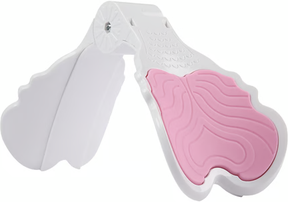
StayWell Pelvic Hip Trainer Strengthen Pelvic Muscles Perfect Fitness & Wellness Gift PinkTransform Your Curves with the Ultimate Pelvic Hip TrainerEvery woman dreams of achieving fuller hips, a curvy back, firm buttocks, and toned inner thighs. With our Pelvic Hip Trainer, you can turn that dream into reality without the need for...34,97 $*Shipping: 0,00 $Secure redirect to the provider
-
Chicco KeyFit 30 Cortina Travel System in AdventurePlease note that each travel system comes with a Cortina Stroller, KeyFit 30 car seat, and one car seat base. Extra bases can be purchased separately below.One-pull harness tightening and loosening in the car seat allow for quick fitting, and the...329,99 $*Shipping: 0,00 $Secure redirect to the provider
-
Chicco KeyFit 30 Trevi Travel System in AdventurePlease note that each travel system comes with a Trevi Stroller, KeyFit 30 car seat, and one car seat base. Extra bases can be purchased separately below.Trevi Stroller Features: Accepts both the KeyFit and KeyFit 30 Infant Car Seats ; 3-D compact...319,99 $*Shipping: 0,00 $Secure redirect to the provider
-
Sesderma Reti Age 5 Liposomal Serum Anti-Aging Innovation 30mLA facial serum for wrinkles and signs of ageing. Reduces wrinkles and fine lines. Hydrates and strengthens barrier. Restores youthful radiance. 5-Retinoid System: smooths wrinkles, accelerates renewal, and boosts collagen. Biomimetic Peptides: fill expression lines by stimulating collagen synthesis.54,51 £*Shipping: 5,34 £Secure redirect to the provider



-
What is compulsive behavior?
Compulsive behavior refers to repetitive actions or rituals that a person feels driven to perform, often in response to an obsessive thought or to alleviate anxiety. These behaviors can interfere with daily life and may be difficult to control, despite the negative consequences they may bring. Compulsive behaviors are often associated with conditions such as obsessive-compulsive disorder (OCD) or addiction. Treatment for compulsive behavior typically involves therapy, medication, and lifestyle changes. **
-
What are compulsive impulses?
Compulsive impulses are strong, uncontrollable urges to engage in certain behaviors, often despite negative consequences. These impulses can be driven by a variety of factors, including anxiety, stress, or a desire for relief or pleasure. People with compulsive impulses may feel a sense of urgency or a lack of control over their actions, and may engage in repetitive behaviors in an attempt to alleviate their distress. Compulsive impulses can be a symptom of various mental health conditions, such as obsessive-compulsive disorder or impulse control disorders. **
-
How can the compulsive urge to laugh about the compulsive thoughts be explained?
The compulsive urge to laugh about compulsive thoughts can be explained as a coping mechanism or defense mechanism. When faced with distressing or intrusive thoughts, some individuals may feel the need to laugh as a way to release tension or to try to minimize the seriousness of the thoughts. This can also be a way to try to distance oneself from the thoughts and to avoid feeling overwhelmed by them. Additionally, laughing about the thoughts may be a way for some individuals to seek reassurance or validation from others, as they may hope that by laughing, others will also find the thoughts less serious or distressing. **
-
What are compulsive self-talks?
Compulsive self-talks are repetitive, negative thoughts or phrases that individuals constantly repeat to themselves. These thoughts are often irrational, self-critical, or destructive in nature, and can lead to feelings of anxiety, depression, or low self-esteem. Compulsive self-talks can be difficult to control and can significantly impact a person's mental well-being and overall quality of life. Therapy, mindfulness techniques, and cognitive-behavioral strategies can be helpful in managing and reducing compulsive self-talks. **


Is this a compulsive behavior?
Yes, the behavior described in the previous message could be considered compulsive. Compulsive behaviors are repetitive actions that a person feels driven to perform, often in response to an obsessive thought or to alleviate anxiety. In this case, the individual is engaging in a behavior (checking the door multiple times) in response to a fear (that the door is not locked), which is a common characteristic of compulsive behavior. If this behavior is interfering with the person's daily life or causing distress, it may be worth seeking help from a mental health professional. **
Are these obsessive-compulsive disorders?
Without more information, it is not possible to definitively diagnose whether these behaviors are obsessive-compulsive disorders. Obsessive-compulsive disorder (OCD) is characterized by intrusive, unwanted thoughts (obsessions) and repetitive behaviors (compulsions) that are difficult to control. It is important to consult with a mental health professional for a proper evaluation and diagnosis. They can assess the severity and impact of the behaviors and provide appropriate treatment recommendations. **
Top-Angebote
Products related to Compulsive:
-
StayWell Fascia Stretcher For Muscle Pain Relief & Flexibility Ideal Fitness & Wellness Gift Fascia Stretcher For Muscle Pain Relief & Flexibility Ideal Fitness & Wellness GiftTransform Your Health with the Ultimate Fascia StretcherAre tight muscles holding you back from living an active, painfree life Persistent muscle tightness, especially in the lower back and legs, can lead to significant discomfort and limit your...26,97 $*Shipping: 0,00 $Secure redirect to the provider
-
StayWell Pelvic Hip Trainer Strengthen Pelvic Muscles Perfect Fitness & Wellness Gift PinkTransform Your Curves with the Ultimate Pelvic Hip TrainerEvery woman dreams of achieving fuller hips, a curvy back, firm buttocks, and toned inner thighs. With our Pelvic Hip Trainer, you can turn that dream into reality without the need for...34,97 $*Shipping: 0,00 $Secure redirect to the provider
-
Chicco KeyFit 30 Cortina Travel System in AdventurePlease note that each travel system comes with a Cortina Stroller, KeyFit 30 car seat, and one car seat base. Extra bases can be purchased separately below.One-pull harness tightening and loosening in the car seat allow for quick fitting, and the...329,99 $*Shipping: 0,00 $Secure redirect to the provider
-
What are compulsive disorders, obsessive thoughts, and compulsive actions?
Compulsive disorders are mental health conditions characterized by the presence of obsessive thoughts and compulsive actions. Obsessive thoughts are persistent, intrusive, and unwanted thoughts that cause distress or anxiety. Compulsive actions are repetitive behaviors or rituals that a person feels driven to perform in response to their obsessive thoughts, in order to alleviate the anxiety or distress. These disorders can significantly interfere with daily functioning and can be difficult to control without professional help. **
-
What is the difference between compulsive tidying and compulsive thinking?
Compulsive tidying is a behavior characterized by an overwhelming urge to constantly clean and organize one's surroundings, often to the point of excess. On the other hand, compulsive thinking involves persistent, intrusive thoughts that are difficult to control and can lead to anxiety or distress. While compulsive tidying is focused on physical actions and organization, compulsive thinking is centered around mental processes and can be more challenging to manage. Both can be symptoms of underlying mental health conditions, such as obsessive-compulsive disorder, but they manifest in different ways. **
-
What is compulsive behavior?
Compulsive behavior refers to repetitive actions or rituals that a person feels driven to perform, often in response to an obsessive thought or to alleviate anxiety. These behaviors can interfere with daily life and may be difficult to control, despite the negative consequences they may bring. Compulsive behaviors are often associated with conditions such as obsessive-compulsive disorder (OCD) or addiction. Treatment for compulsive behavior typically involves therapy, medication, and lifestyle changes. **
-
What are compulsive impulses?
Compulsive impulses are strong, uncontrollable urges to engage in certain behaviors, often despite negative consequences. These impulses can be driven by a variety of factors, including anxiety, stress, or a desire for relief or pleasure. People with compulsive impulses may feel a sense of urgency or a lack of control over their actions, and may engage in repetitive behaviors in an attempt to alleviate their distress. Compulsive impulses can be a symptom of various mental health conditions, such as obsessive-compulsive disorder or impulse control disorders. **
Similar search terms for Compulsive
-
Chicco KeyFit 30 Trevi Travel System in AdventurePlease note that each travel system comes with a Trevi Stroller, KeyFit 30 car seat, and one car seat base. Extra bases can be purchased separately below.Trevi Stroller Features: Accepts both the KeyFit and KeyFit 30 Infant Car Seats ; 3-D compact...319,99 $*Shipping: 0,00 $Secure redirect to the provider
-
Sesderma Reti Age 5 Liposomal Serum Anti-Aging Innovation 30mLA facial serum for wrinkles and signs of ageing. Reduces wrinkles and fine lines. Hydrates and strengthens barrier. Restores youthful radiance. 5-Retinoid System: smooths wrinkles, accelerates renewal, and boosts collagen. Biomimetic Peptides: fill expression lines by stimulating collagen synthesis.54,51 £*Shipping: 5,34 £Secure redirect to the provider
-
Orion Strangeworlds Travel Agency: Adventure in the Floating Mountains by L.D. Lapinski – World Book Day AdventureIt is the once-every-century Cloud-Wish Festival in the magical world of Strofadia, and Flick and Jonathan have travelled via suitcase to be a part of it.Strofadia is a land of flight and fantasy, where the people are born with wings and the great floating mountains are seen as the source of fantastic power. There are three floating mountains, with the largest being known as the home of the great Cloud Dragon - keeper of magic and granter of wishes. The people of Strofadia take their magical wishes (in the form of a physical bead-like object) to the dragon, in the hopes that the wish will be granted at the end of the festival when the dragon appears.Flick and Jonathan have fun exploring Strofadia, but when the moons rise, there is no sign of movement from the mountain.Will Flick and Jonathan be able to find out what happened to the dragon and save the festival and the land of Strofadia from disaster?A 2023 World Book Day Title0,99 £*Shipping: 1,99 £Secure redirect to the provider
-
Inspire Select 2025 AMOLED ECG Smart Watch Bluetooth Call NFC Fitness & Wellness Tracker redStay connected while tracking your daily wellness with this advanced ECG smart watch designed for fitness, health monitoring, and smart convenience. Featuring a premium AMOLED smartwatch display, Bluetooth calling, NFC support, and intelligent...279,98 $*Shipping: 0,00 $Secure redirect to the provider
-
How can the compulsive urge to laugh about the compulsive thoughts be explained?
The compulsive urge to laugh about compulsive thoughts can be explained as a coping mechanism or defense mechanism. When faced with distressing or intrusive thoughts, some individuals may feel the need to laugh as a way to release tension or to try to minimize the seriousness of the thoughts. This can also be a way to try to distance oneself from the thoughts and to avoid feeling overwhelmed by them. Additionally, laughing about the thoughts may be a way for some individuals to seek reassurance or validation from others, as they may hope that by laughing, others will also find the thoughts less serious or distressing. **
-
What are compulsive self-talks?
Compulsive self-talks are repetitive, negative thoughts or phrases that individuals constantly repeat to themselves. These thoughts are often irrational, self-critical, or destructive in nature, and can lead to feelings of anxiety, depression, or low self-esteem. Compulsive self-talks can be difficult to control and can significantly impact a person's mental well-being and overall quality of life. Therapy, mindfulness techniques, and cognitive-behavioral strategies can be helpful in managing and reducing compulsive self-talks. **
-
Is this a compulsive behavior?
Yes, the behavior described in the previous message could be considered compulsive. Compulsive behaviors are repetitive actions that a person feels driven to perform, often in response to an obsessive thought or to alleviate anxiety. In this case, the individual is engaging in a behavior (checking the door multiple times) in response to a fear (that the door is not locked), which is a common characteristic of compulsive behavior. If this behavior is interfering with the person's daily life or causing distress, it may be worth seeking help from a mental health professional. **
-
Are these obsessive-compulsive disorders?
Without more information, it is not possible to definitively diagnose whether these behaviors are obsessive-compulsive disorders. Obsessive-compulsive disorder (OCD) is characterized by intrusive, unwanted thoughts (obsessions) and repetitive behaviors (compulsions) that are difficult to control. It is important to consult with a mental health professional for a proper evaluation and diagnosis. They can assess the severity and impact of the behaviors and provide appropriate treatment recommendations. **
* All prices are inclusive of VAT and, if applicable, plus shipping costs. The offer information is based on the details provided by the respective shop and is updated through automated processes. Real-time updates do not occur, so deviations can occur in individual cases. ** Note: Parts of this content were created by AI.