Buy reyan.eu ?
We are moving the project
reyan.eu .
Are you interested in purchasing the domain
reyan.eu ?
domain@kv-gmbh.de · 0541-91531010
Buy reyan.eu ?
How did the peasants in the Peasants' War intend to enforce their demands?
The peasants in the Peasants' War intended to enforce their demands through armed rebellion and uprisings against the ruling nobility and authorities. They organized themselves into large groups, often led by charismatic leaders, and sought to challenge the oppressive feudal system by seizing control of land and resources. The peasants also engaged in acts of sabotage and destruction to pressure the ruling class into meeting their demands for greater rights and freedoms. Ultimately, the peasants' efforts were met with violent suppression by the ruling elites, leading to the failure of the Peasants' War. **
When were the peasants freed?
The peasants were freed in 1861 when Tsar Alexander II of Russia issued the Emancipation Manifesto, which abolished serfdom in the Russian Empire. This decree granted the peasants personal freedoms and the ability to own land, marking a significant shift in the social structure of Russia. The emancipation of the peasants was a major reform that aimed to modernize the country and improve the living conditions of the rural population. **


Similar search terms for Peasants
Top-Angebote
Products related to Peasants:
-
StayWell Pelvic Hip Trainer Strengthen Pelvic Muscles Perfect Fitness & Wellness Gift PinkTransform Your Curves with the Ultimate Pelvic Hip TrainerEvery woman dreams of achieving fuller hips, a curvy back, firm buttocks, and toned inner thighs. With our Pelvic Hip Trainer, you can turn that dream into reality without the need for...34,97 $*Shipping: 0,00 $Secure redirect to the provider
-
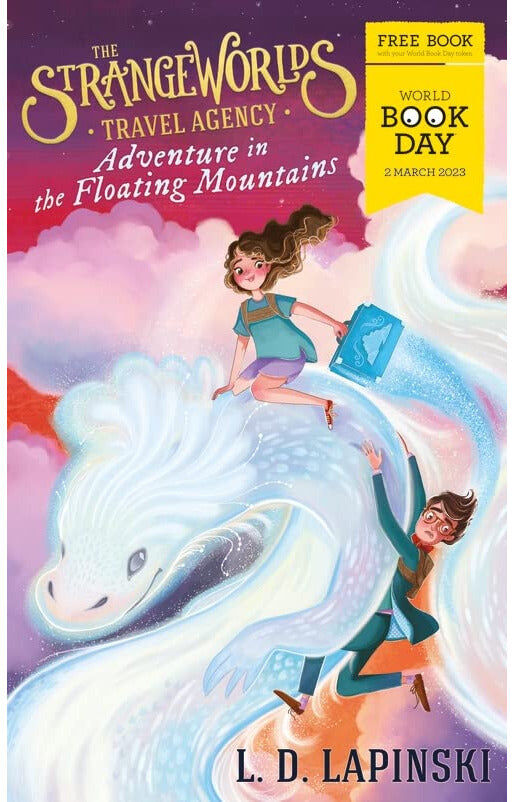
Orion Strangeworlds Travel Agency: Adventure in the Floating Mountains by L.D. Lapinski – World Book Day AdventureIt is the once-every-century Cloud-Wish Festival in the magical world of Strofadia, and Flick and Jonathan have travelled via suitcase to be a part of it.Strofadia is a land of flight and fantasy, where the people are born with wings and the great floating mountains are seen as the source of fantastic power. There are three floating mountains, with the largest being known as the home of the great Cloud Dragon - keeper of magic and granter of wishes. The people of Strofadia take their magical wishes (in the form of a physical bead-like object) to the dragon, in the hopes that the wish will be granted at the end of the festival when the dragon appears.Flick and Jonathan have fun exploring Strofadia, but when the moons rise, there is no sign of movement from the mountain.Will Flick and Jonathan be able to find out what happened to the dragon and save the festival and the land of Strofadia from disaster?A 2023 World Book Day Title0,99 £*Shipping: 1,99 £Secure redirect to the provider
-
Inspire Select 2025 AMOLED ECG Smart Watch Bluetooth Call NFC Fitness & Wellness Tracker redStay connected while tracking your daily wellness with this advanced ECG smart watch designed for fitness, health monitoring, and smart convenience. Featuring a premium AMOLED smartwatch display, Bluetooth calling, NFC support, and intelligent...279,98 $*Shipping: 0,00 $Secure redirect to the provider
-
StayWell Wonder Arms Workout Fitness Machine Perfect Fitness Gift For Home & Travel Enthusiasts Wonder Arms Workout Fitness Machine Perfect Fitness Gift For Home & Travel EnthusiastsElevate Your Fitness Routine with the Wonder Arms Workout Fitness MachineAchieve your fitness goals effortlessly with the Wonder Arms Workout Fitness Machine, the ultimate solution for sculpting your arms, shoulders, and back. Designed for...59,97 $*Shipping: 0,00 $Secure redirect to the provider



-
What was the landlord of the peasants?
The landlord of the peasants was typically a wealthy landowner or noble who owned the land that the peasants lived and worked on. The peasants would pay rent or provide labor in exchange for the right to live on and cultivate the land. The landlord often held significant power and authority over the peasants, collecting taxes, settling disputes, and enforcing laws on the land. This system of landlordship was common in feudal societies where land ownership was concentrated in the hands of a few powerful individuals. **
-
What are the causes of the Peasants' War?
The Peasants' War was primarily caused by the oppressive social and economic conditions faced by the peasants in 16th-century Germany. The peasants were burdened by heavy taxes, feudal obligations, and exploitation by the nobility and clergy. Additionally, the spread of Protestant ideas, particularly those advocating for social equality and justice, fueled the peasants' desire for change and inspired them to revolt against their rulers. The lack of political representation and the desire for greater autonomy also played a significant role in sparking the Peasants' War. **
-
What are the consequences of the Peasants' War?
The consequences of the Peasants' War were significant. The revolt was brutally suppressed, resulting in the deaths of tens of thousands of peasants and the execution of many of their leaders. The power of the ruling nobility and the Catholic Church was reinforced, and the social and economic conditions of the peasants did not significantly improve. The war also led to increased religious and social tensions in Germany, contributing to the outbreak of the Thirty Years' War in 1618. Overall, the Peasants' War had a lasting impact on the social, political, and religious landscape of Germany. **
-
How do you say "you peasants" in German?
In German, "you peasants" can be translated as "ihr Bauern." **


What is there to report about the Peasants' War?
The Peasants' War was a major uprising in 16th-century Europe, primarily in the Holy Roman Empire. It was sparked by widespread discontent among the peasant population due to oppressive social and economic conditions. The revolt was characterized by violent clashes between peasants and the ruling nobility, resulting in significant loss of life on both sides. The Peasants' War ultimately ended in defeat for the peasants, with many leaders being captured and executed. **
What did the peasants do at medieval peasant festivals?
At medieval peasant festivals, the peasants would engage in various activities such as dancing, singing, and playing games. They would also participate in feasting and drinking, often enjoying the fruits of their labor such as bread, cheese, and ale. These festivals provided a break from the hard work of farming and allowed the peasants to come together as a community to celebrate and socialize. Additionally, some festivals included religious ceremonies and processions, providing an opportunity for the peasants to express their faith and devotion. **
Top-Angebote
Products related to Peasants:
-
StayWell Fascia Stretcher For Muscle Pain Relief & Flexibility Ideal Fitness & Wellness Gift Fascia Stretcher For Muscle Pain Relief & Flexibility Ideal Fitness & Wellness GiftTransform Your Health with the Ultimate Fascia StretcherAre tight muscles holding you back from living an active, painfree life Persistent muscle tightness, especially in the lower back and legs, can lead to significant discomfort and limit your...26,97 $*Shipping: 0,00 $Secure redirect to the provider
-
StayWell Pelvic Hip Trainer Strengthen Pelvic Muscles Perfect Fitness & Wellness Gift PinkTransform Your Curves with the Ultimate Pelvic Hip TrainerEvery woman dreams of achieving fuller hips, a curvy back, firm buttocks, and toned inner thighs. With our Pelvic Hip Trainer, you can turn that dream into reality without the need for...34,97 $*Shipping: 0,00 $Secure redirect to the provider
-
Orion Strangeworlds Travel Agency: Adventure in the Floating Mountains by L.D. Lapinski – World Book Day AdventureIt is the once-every-century Cloud-Wish Festival in the magical world of Strofadia, and Flick and Jonathan have travelled via suitcase to be a part of it.Strofadia is a land of flight and fantasy, where the people are born with wings and the great floating mountains are seen as the source of fantastic power. There are three floating mountains, with the largest being known as the home of the great Cloud Dragon - keeper of magic and granter of wishes. The people of Strofadia take their magical wishes (in the form of a physical bead-like object) to the dragon, in the hopes that the wish will be granted at the end of the festival when the dragon appears.Flick and Jonathan have fun exploring Strofadia, but when the moons rise, there is no sign of movement from the mountain.Will Flick and Jonathan be able to find out what happened to the dragon and save the festival and the land of Strofadia from disaster?A 2023 World Book Day Title0,99 £*Shipping: 1,99 £Secure redirect to the provider
-
How did the peasants in the Peasants' War intend to enforce their demands?
The peasants in the Peasants' War intended to enforce their demands through armed rebellion and uprisings against the ruling nobility and authorities. They organized themselves into large groups, often led by charismatic leaders, and sought to challenge the oppressive feudal system by seizing control of land and resources. The peasants also engaged in acts of sabotage and destruction to pressure the ruling class into meeting their demands for greater rights and freedoms. Ultimately, the peasants' efforts were met with violent suppression by the ruling elites, leading to the failure of the Peasants' War. **
-
When were the peasants freed?
The peasants were freed in 1861 when Tsar Alexander II of Russia issued the Emancipation Manifesto, which abolished serfdom in the Russian Empire. This decree granted the peasants personal freedoms and the ability to own land, marking a significant shift in the social structure of Russia. The emancipation of the peasants was a major reform that aimed to modernize the country and improve the living conditions of the rural population. **
-
What was the landlord of the peasants?
The landlord of the peasants was typically a wealthy landowner or noble who owned the land that the peasants lived and worked on. The peasants would pay rent or provide labor in exchange for the right to live on and cultivate the land. The landlord often held significant power and authority over the peasants, collecting taxes, settling disputes, and enforcing laws on the land. This system of landlordship was common in feudal societies where land ownership was concentrated in the hands of a few powerful individuals. **
-
What are the causes of the Peasants' War?
The Peasants' War was primarily caused by the oppressive social and economic conditions faced by the peasants in 16th-century Germany. The peasants were burdened by heavy taxes, feudal obligations, and exploitation by the nobility and clergy. Additionally, the spread of Protestant ideas, particularly those advocating for social equality and justice, fueled the peasants' desire for change and inspired them to revolt against their rulers. The lack of political representation and the desire for greater autonomy also played a significant role in sparking the Peasants' War. **
Similar search terms for Peasants
-
Inspire Select 2025 AMOLED ECG Smart Watch Bluetooth Call NFC Fitness & Wellness Tracker redStay connected while tracking your daily wellness with this advanced ECG smart watch designed for fitness, health monitoring, and smart convenience. Featuring a premium AMOLED smartwatch display, Bluetooth calling, NFC support, and intelligent...279,98 $*Shipping: 0,00 $Secure redirect to the provider
-
StayWell Wonder Arms Workout Fitness Machine Perfect Fitness Gift For Home & Travel Enthusiasts Wonder Arms Workout Fitness Machine Perfect Fitness Gift For Home & Travel EnthusiastsElevate Your Fitness Routine with the Wonder Arms Workout Fitness MachineAchieve your fitness goals effortlessly with the Wonder Arms Workout Fitness Machine, the ultimate solution for sculpting your arms, shoulders, and back. Designed for...59,97 $*Shipping: 0,00 $Secure redirect to the provider
-
HARPERCOLLINS Creative Confidence by Tom & David Kelley – Unleashing Your Creative Potential & Innovation MindsetA powerful and inspiring book from the founders of IDEO, the award-winning design firm, on unleashing the creativity that lies within each and every one of us. Too often, companies and individuals assume that creativity and innovation are the domain of the ‘creative types’. But two of the foremost experts in innovation, design and creativity on the planet show us that each and every one of us is creative. In an entertaining and inspiring narrative that draws on countless stories from their work at IDEO, and with many of the world's top companies and design firms, David and Tom Kelley identify the principles and strategies that will allow us to tap into our creative potential in our work lives, and in our personal lives, allow us to think outside the box in terms of how we approach and solve problems. ‘Creative Confidence’ is a book that will help each of us be more productive and successful in our lives and in our careers.4,95 £*Shipping: 1,99 £Secure redirect to the provider
-
What are the consequences of the Peasants' War?
The consequences of the Peasants' War were significant. The revolt was brutally suppressed, resulting in the deaths of tens of thousands of peasants and the execution of many of their leaders. The power of the ruling nobility and the Catholic Church was reinforced, and the social and economic conditions of the peasants did not significantly improve. The war also led to increased religious and social tensions in Germany, contributing to the outbreak of the Thirty Years' War in 1618. Overall, the Peasants' War had a lasting impact on the social, political, and religious landscape of Germany. **
-
How do you say "you peasants" in German?
In German, "you peasants" can be translated as "ihr Bauern." **
-
What is there to report about the Peasants' War?
The Peasants' War was a major uprising in 16th-century Europe, primarily in the Holy Roman Empire. It was sparked by widespread discontent among the peasant population due to oppressive social and economic conditions. The revolt was characterized by violent clashes between peasants and the ruling nobility, resulting in significant loss of life on both sides. The Peasants' War ultimately ended in defeat for the peasants, with many leaders being captured and executed. **
-
What did the peasants do at medieval peasant festivals?
At medieval peasant festivals, the peasants would engage in various activities such as dancing, singing, and playing games. They would also participate in feasting and drinking, often enjoying the fruits of their labor such as bread, cheese, and ale. These festivals provided a break from the hard work of farming and allowed the peasants to come together as a community to celebrate and socialize. Additionally, some festivals included religious ceremonies and processions, providing an opportunity for the peasants to express their faith and devotion. **
* All prices are inclusive of VAT and, if applicable, plus shipping costs. The offer information is based on the details provided by the respective shop and is updated through automated processes. Real-time updates do not occur, so deviations can occur in individual cases. ** Note: Parts of this content were created by AI.